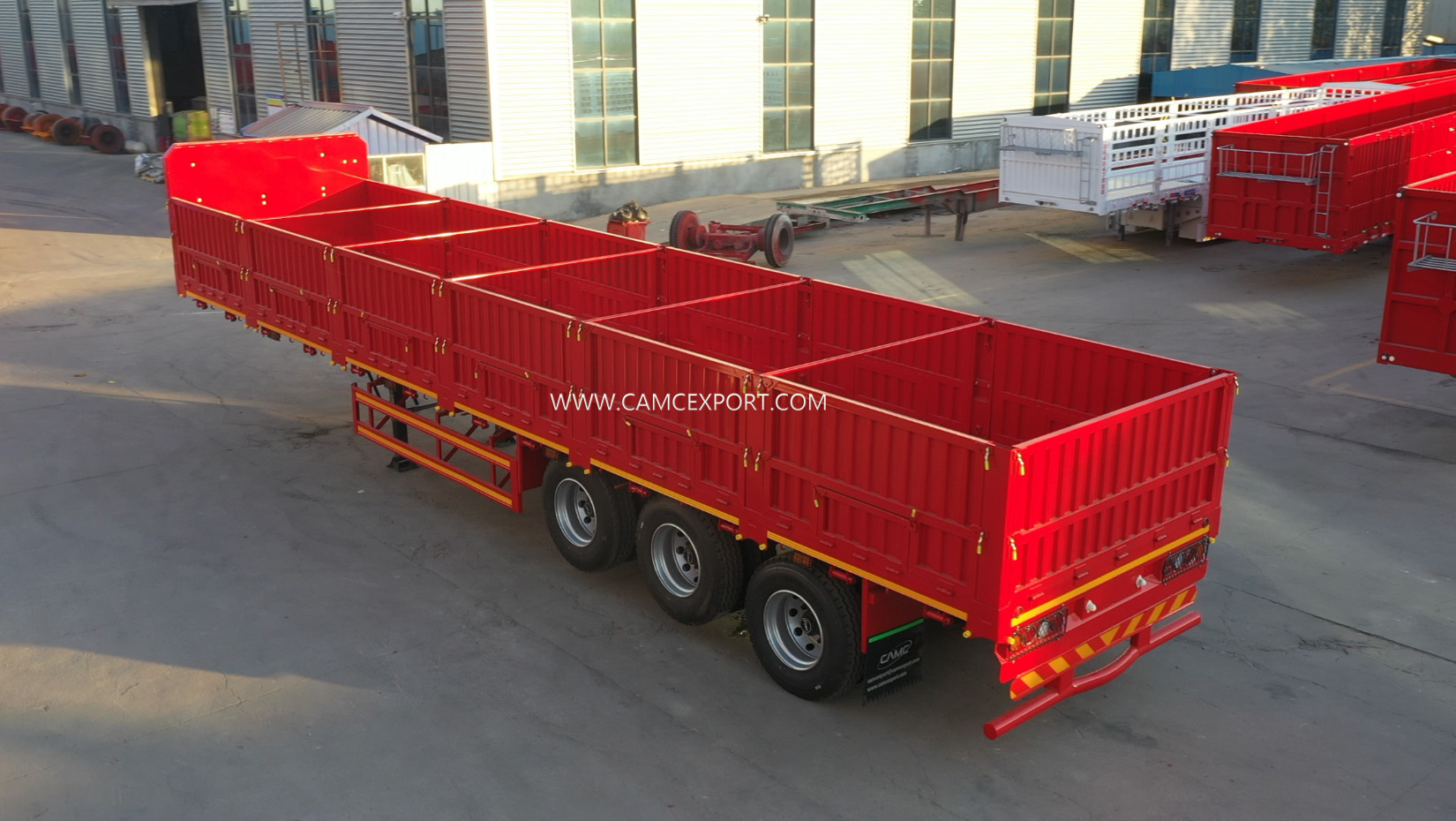
In 2025, the trailer industry is undergoing a major transformation, evolving from traditional "transportation vehicles" to integrated "intelligent logistics assets". This transformation is driven by three powerful trends: stricter compliance standards, rapid development of lightweight design, and the rise of intelligent electrification technology.
Compliance becomes a ticket to entry
After a coordinated regulatory crackdown by three government agencies, China's trailer compliance rate has risen to 89%. Intelligent monitoring devices, including ADAS (Advanced Driver Assistance Systems) and remote emission terminals, are now installed on over 85% of new trailers. In terms of exports, the demand for compliant trailers in the RCEP region has surged: in September, China's container trailer exports exceeded $5 billion, with a premium of 12% for compliant models due to improved safety, durability, and international certification compatibility.
Lightweight technology triggers revolution
Driven by national carbon reduction targets and rising fuel costs, 45% of trailers now use lightweight materials such as magnesium alloys and aluminum, resulting in an average vehicle weight reduction of 1.2 tons and an annual fuel cost reduction of $3400. The weight of the magnesium alloy trailer was reduced by 900kg, and it passed the load reliability test and high weight transportation capacity of 18000km. The orders in the "the Belt and Road" market increased by 67% year on year. By 2026, the utilization rate of lightweight materials is expected to reach 50%, further improving the technical standards of the industry.
Intelligent electrification disrupts long-distance logistics
Intelligent electric semi-trailer has become a game changer: their "tractor trailer decoupling" technology reduces the fuel consumption of diesel tractors by 50% and extends the range of electric trucks to over 1000 kilometers. These models have increased the carrying capacity from 30 tons to 60 tons, and have been tested on the Sichuan Xizang Expressway and other lines. Industry analysts estimate that if 50% of existing trailer fleets transition to smart electric vehicles, it will bring over $307 billion in investment opportunities for charging/swapping stations, and commercialization will flourish by 2026.
In this new environment, compliance is the foundation, lightweight drives efficiency, and intelligence defines the future.