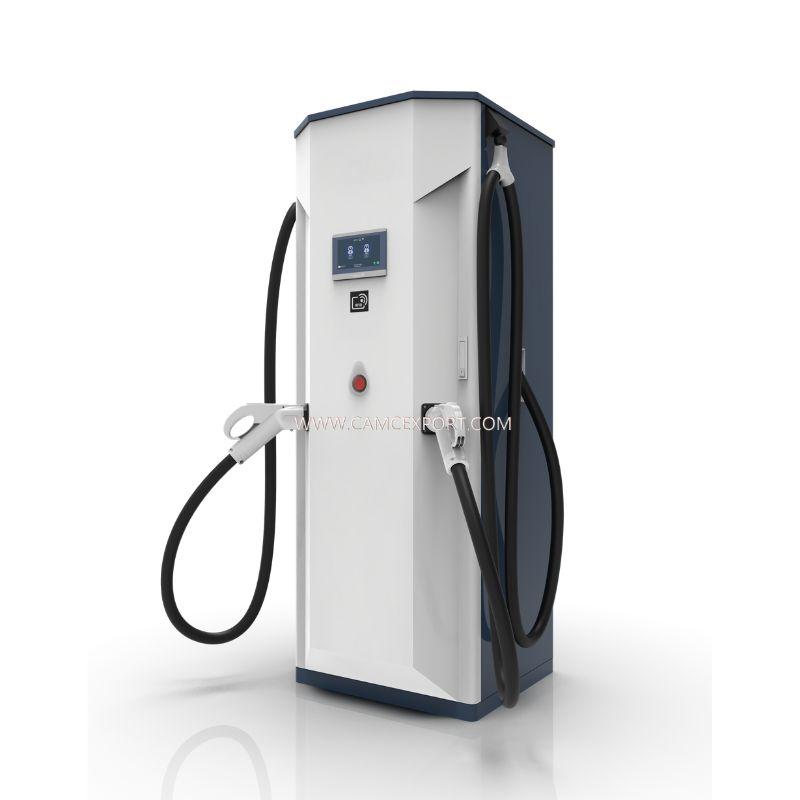
Policy support in mature European and American markets continues to strengthen. The EU’s "Green Deal" mandates zero-emission new cars by 2035 and requires 150kW fast charging stations every 60km along core transport corridors by 2026; the Netherlands provides up to €43,000 in subsidies for 350kW ultra-fast charging stations and €80/kWh for supporting energy storage, slashing enterprise investment costs. The US plans to build 500,000 EV charging piles by 2030, with tax credits under the Inflation Reduction Act boosting market demand—its public fast charging market leads North America with a 14% growth rate.
Emerging markets are ramping up policy efforts in tandem. Many Southeast Asian nations have imposed zero tariffs on imported energy supplement equipment; Latin American countries like Peru and Brazil have offered policy guarantees for charging pile construction through national electric mobility strategies. Additionally, Australia’s "Future Fuels Strategy" allocates A$2.5 billion to remote area charging infrastructure, targeting full coverage along major highways by 2030. India aims to install 2 million public charging piles by 2030, providing land and electricity price preferences for operators.
Policy-driven, the global charging pile market shows three key trends: 1) Regional layout shifts to policy dividend hubs, with European and American ultra-fast charging networks and Latin American conventional networks as investment hotspots; 2) Technical routes upgrade toward high power and intelligence, with all-liquid cooling and Vehicle-to-Grid (V2G) technologies advancing rapidly; 3) Business models diversify, with innovations like "ultra-fast charging + retail + leisure" complexes and solar-storage-charging integrated projects emerging. For enterprises, closely tracking global policy dynamics and aligning with regional policy requirements and market needs is crucial to seize opportunities amid policy dividends.