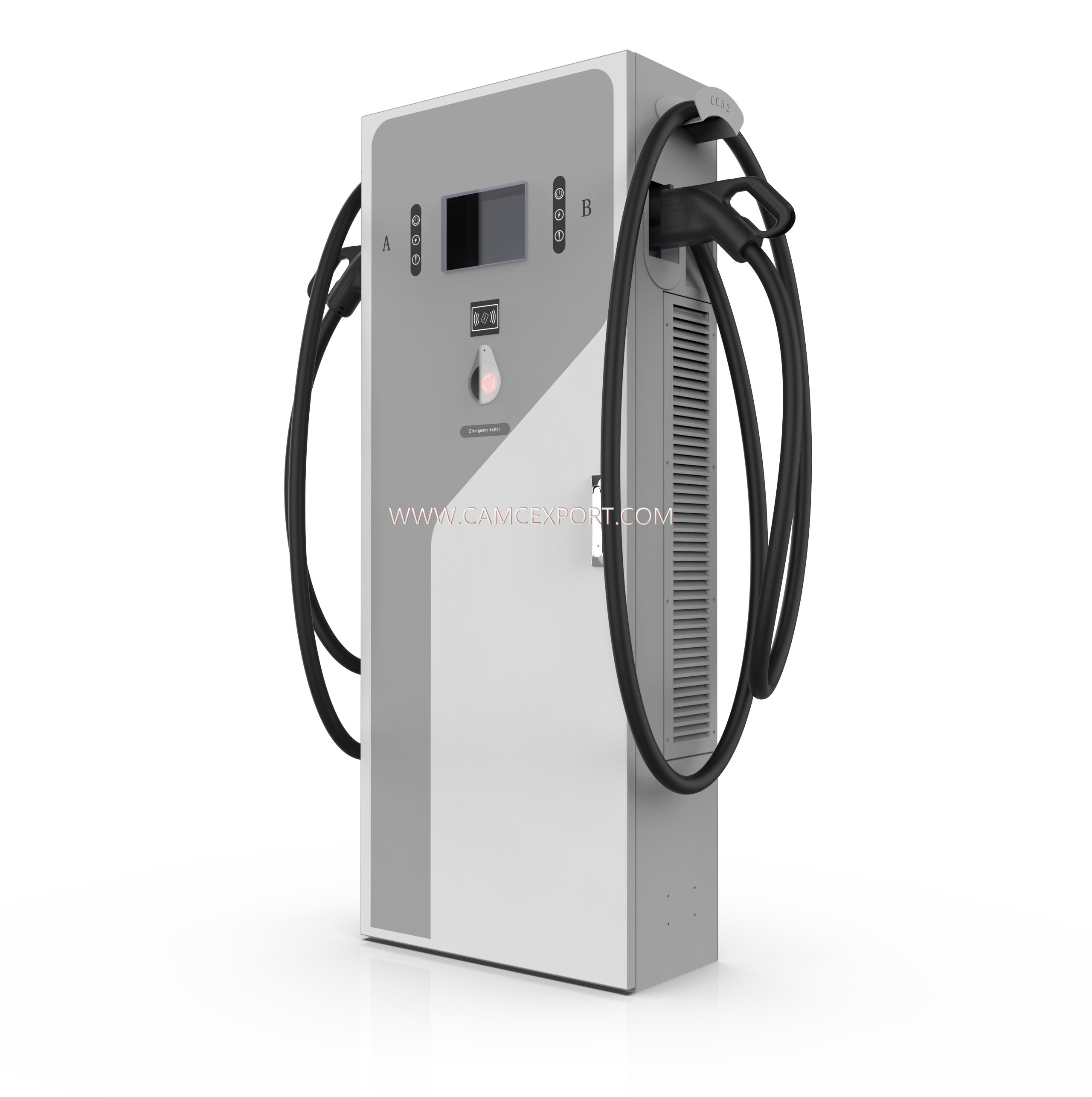
Latest industry data shows that 480kW-600kW all-liquid-cooled ultra-fast chargers have achieved large-scale production, with semiconductor material costs down 35%-40% year-on-year, driving the technology from pilot to widespread use. Notably, 1.44MW+ megawatt-level chargers are now in mass application. Equipped with high-voltage direct connection technology for 10kV power grids, their single-gun power exceeds 1440kW, cutting overall station energy consumption from 10% to 3% and enabling new energy trucks to "charge 5 minutes for 100km".
All-liquid-cooled ultra-fast charging stations have become standard in key areas like highway service areas, business districts and mining zones. The European and American markets, with stable power grids and high demand for fast charging, see particularly strong growth in 350kW+ charger needs. The 800V high-voltage platform has become standard for mid-to-high-end NEVs, with "10-minute charging for 400km" as the mainstream market expectation.
For global charging pile enterprises, ultra-fast charging upgrades bring both opportunities and challenges. Key priorities include mastering high-voltage compatibility and intelligent power distribution, while adapting to regional grid standards. Industry leaders like ABB and Siemens have launched solutions with 64 intelligent algorithms to optimize power allocation based on battery status, addressing multi-vehicle charging conflicts. Future integration of Vehicle-to-Grid (V2G) technology will transform chargers from single energy-supplement devices to mobile energy terminals, unlocking grid peak-shaving and valley-filling value.